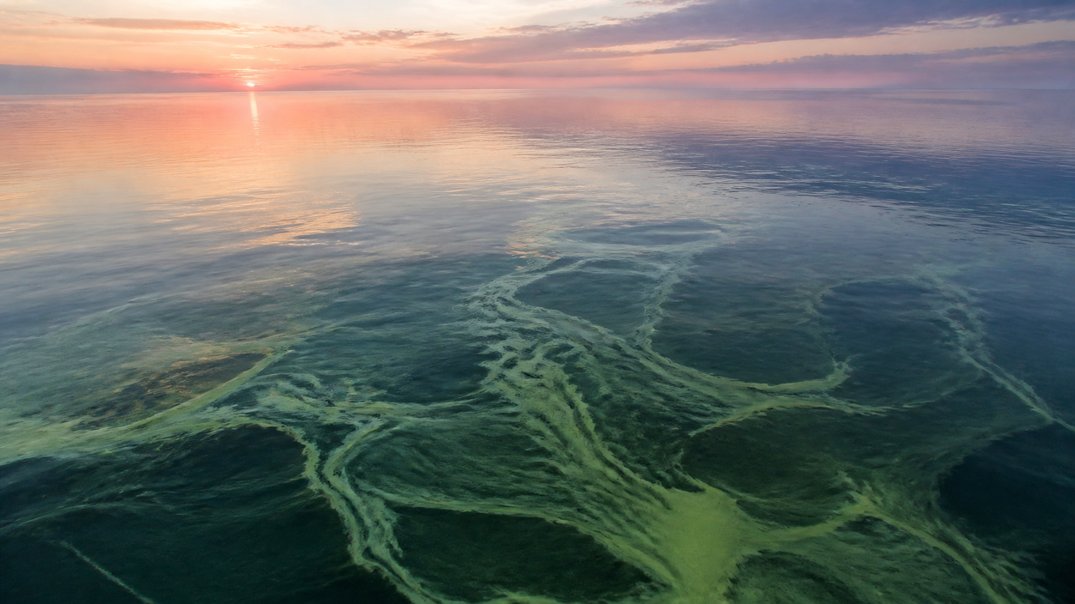
Long before spirulina capsules, the Aztecs harvested a blue-green alga from Lake Texcoco and dried it into cakes called tecuitlatl. Spanish chroniclers recorded the trade, but the food went out of use after the Conquest and the lake was drained. Mexico rediscovered the alga in the 1960s when a soda company found it fouling its ponds, and a similar tradition continues today in Chad. Here is the story, plus what spirulina offers now.
How the Aztecs Harvested and Ate Tecuitlatl
The Aztecs gathered a thick blue-green mat from Lake Texcoco and dried it for storage. Accounts differ on the tools. One research paper describes fine nets and drying on the shore, while a popular history describes poles pushed into the water and coated with algae. Either way, the result was a flat cake.
According to the research paper, cooks ate it with maize, beans, chiles, and mole, or mixed it into tortilla dough. Travelers carried it on long journeys, and it traded well beyond local markets. The name tecuitlatl translates roughly as excrement of stones, and the taste was salty, often compared to cheese.
Bernal Díaz del Castillo, a soldier who marched with Cortés, wrote that fishermen sold little cakes made from slime collected in the lagoon. The Spaniards were not impressed, but the account confirms a working market.
Why Lake Texcoco Was an Ideal Habitat for Spirulina
The Valley of Mexico’s lakes were shallow, saline, and alkaline, with strong sunlight and plenty of carbon dioxide. The authors of the CIBNOR paper say those conditions made Texcoco the natural habitat of Arthrospira maxima, one of the species sold as spirulina. They also suggest the lake’s salinity may explain the salty flavor that colonizers reported.

Why Spirulina Disappeared After the Spanish Conquest
Colonial authorities later drained the lake, and tecuitlatl was forgotten for centuries. A Mexico News Daily account adds that the Spaniards disliked the food and drained many of the alkaline lakes where it grew. Whatever the exact mix of reasons, losing the habitat ended the harvest, and the recipe slipped out of daily life.
How Sosa Texcoco Brought Spirulina Back to Mexico
In the twentieth century, the alga turned up again in an unexpected place.
From Industrial Nuisance to Large-Scale Farming
In the 1960s, the caustic soda company Sosa Texcoco found a green substance fouling its evaporation ponds on the old lakebed. French researchers from the Institut Français du Pétrole identified it as spirulina, and the company went on to produce up to 500 tons of dry biomass per year, according to the CIBNOR paper. Mexico News Daily reports that a company called Spirulina Mexicana later became the world’s largest producer before going broke, which ended large-scale production in Mexico.
Spirulina Farming in Mexico Today
Production is now small. The same account describes a grower near Guadalajara who harvests about four kilos a week in a hothouse and sells it fresh-frozen. It adds that the largest producers are now in the United States, South America, and Europe.

Dihé in Chad: A Living Cousin of Tecuitlatl
Chad keeps a comparable tradition. Kanembu women collect wet spirulina from Lake Chad, strain it through cloth, and sun-dry it before cutting it into small squares for market. Dihé mainly flavors sauces and broths, average consumption can reach about 50 grams per person per week, and the surplus is an income source for the women who sell it.
A European Commission feature credits Lake Chad spirulina with improving nutrition in Chad.
What Spirulina Offers Today
A recent review in PubMed Central reports that 100 grams of spirulina provides about 47 grams of protein and 16 mg of iron. In a realistic 20-gram serving, that works out to roughly 9.4 grams of protein and 3.2 mg of iron. The same review notes that plant iron is absorbed at 1 to 10 percent, compared with 25 to 30 percent from animal foods, so spirulina should not be your only iron source.
Quality matters. The NIDDK’s LiverTox record says liver injury from spirulina must be very rare, if it occurs at all, and it notes that products can be contaminated with other blue-green algae that produce toxins called microcystins. The PubMed Central review says these toxins require testing, so look for makers who test their products.
Frequently Asked Questions About Aztec Spirulina
Quick answers to common questions about tecuitlatl and its modern relatives.
What Does Tecuitlatl Mean?
The name translates roughly as excrement of stones. It refers to the Aztec food made from spirulina harvested at Lake Texcoco.
What Did Aztec Spirulina Taste Like?
Accounts describe a salty flavor, often compared to cheese, which is why it earned the nickname Aztec cheese.
Is Spirulina Still Eaten Traditionally Anywhere?
Yes. In Chad, Kanembu communities still dry spirulina from Lake Chad into dihé and use it to flavor sauces and broths.
Is Spirulina Safe to Eat?
LiverTox rates spirulina as a very rare possible cause of liver injury, but products can be contaminated with toxin-producing blue-green algae. Ask a healthcare provider before starting it, especially if you have a health condition or take medications.


