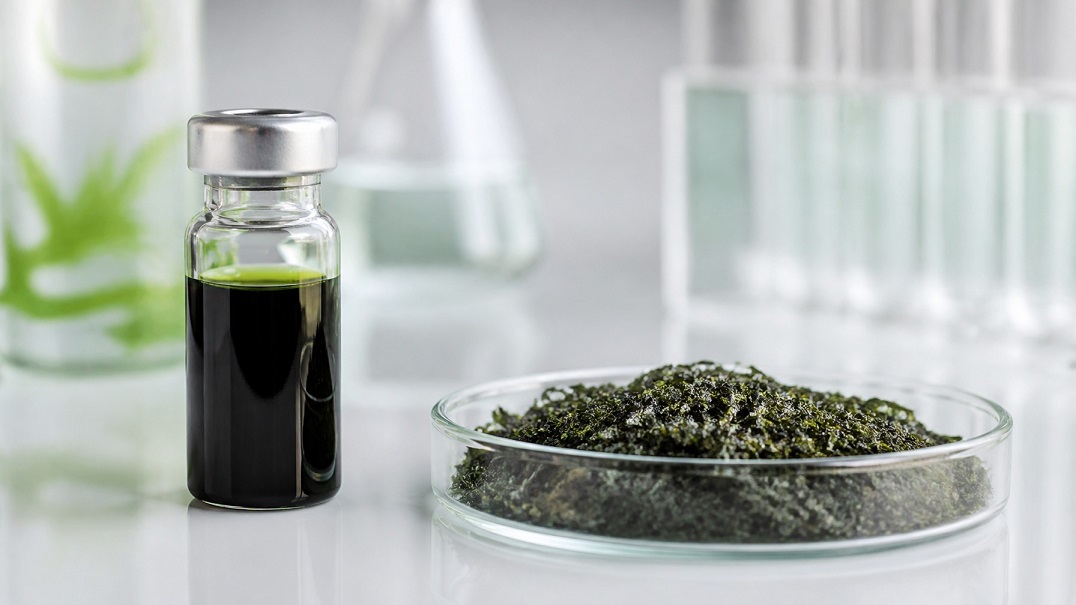
If algae is where DHA actually comes from, a reasonable question follows pretty quickly: why not just eat the algae? Skip the extraction, skip the softgel, skip the whole manufacturing process, and go straight to the source. It sounds like the kind of thing that would require a wheelbarrow full of pond scum to make any real dietary dent. So we did the actual arithmetic, using published figures on how much DHA algae biomass really contains, and the result is a little surprising, though maybe not for the reason you’d expect.
This isn’t a recommendation to go eat raw algae paste. It’s a math exercise, and like most math exercises, the interesting part is where the numbers land you.
Setting the Target: A Typical Daily DHA Dose
Algae-based omega-3 supplements commonly deliver somewhere in the range of 250 to 500 milligrams of combined DHA and EPA per serving, with some products going higher, up to around 1,000 milligrams for people targeting a specific therapeutic dose. For this exercise, we’ll use 500 milligrams of DHA as a reasonable middle-of-the-road daily target, since it’s a common serving size and an easy number to work with.
Why This Number Matters
The target dose is the whole basis for the comparison. Without a specific number to hit, “how much algae would I need” doesn’t have an answerable answer. Five hundred milligrams isn’t an official government recommendation, it’s simply a representative number pulled from common supplement labels, which makes it a fair stand-in for what a typical algae oil user is actually consuming each day.
How Concentrated Is DHA in Raw Algae Biomass
The species most commonly cultivated for DHA production, Schizochytrium, is unusually fat-rich as microorganisms go. Published research on dried Schizochytrium biomass shows total lipid content commonly falling somewhere between roughly 40 and 75 percent of dry weight, depending on the strain and growing conditions, with DHA typically making up somewhere between roughly 25 and 50 percent of that total fat content. Multiply those ranges together, and DHA generally works out to somewhere around one-fifth to one-quarter of the dried biomass by weight, sometimes more under optimized conditions.
Translating That Into a Usable Number
Using a conservative estimate of 20 percent DHA by dry weight, one gram of dried algae biomass would contain roughly 200 milligrams of DHA. That’s a genuinely concentrated source of a specific nutrient, well beyond what you’d find in almost any whole food.
The Actual Calculation
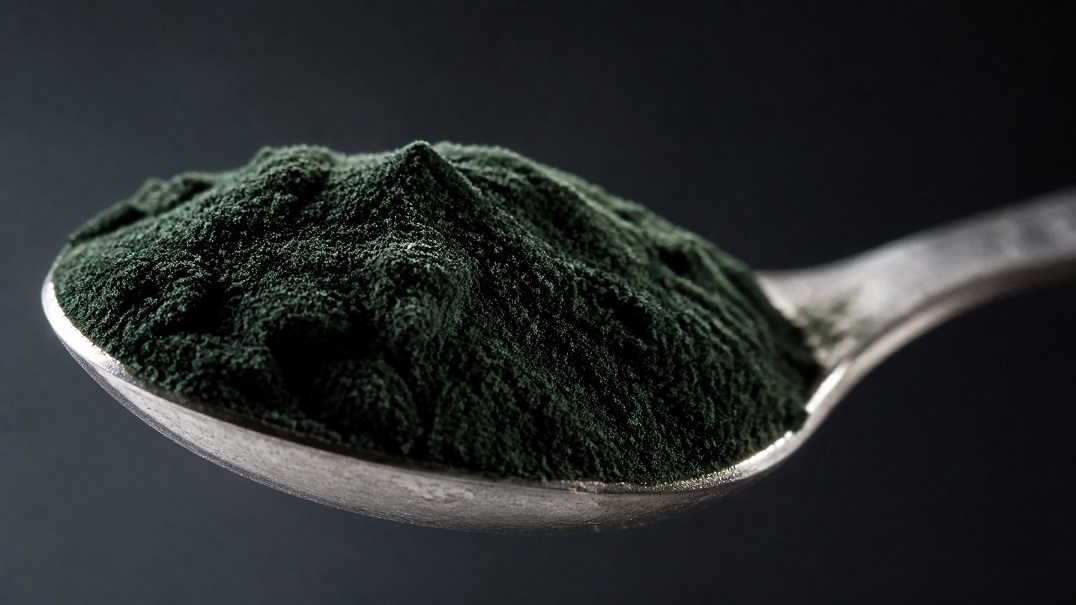
To reach a 500 milligram DHA target using a conservative 20 percent concentration estimate, the math works out to roughly 2.5 grams of dried algae biomass, which is somewhere in the neighborhood of half a teaspoon. Even using a more conservative concentration estimate toward the lower end of the published ranges, you’d still be looking at somewhere around a teaspoon or so of dried biomass, not a bucket, not a bowl, and certainly not anything close to what most people picture when they imagine “eating algae directly.”
That’s the twist. The popular mental image of choking down mounds of green sludge to get a meaningful dose of DHA turns out to be wrong. Dried algae biomass is dramatically more concentrated than most whole foods, closer in spirit to a spice than a vegetable.
So Why Doesn’t Anyone Actually Do This?
If the quantity isn’t the obstacle, something else has to be, and there are a few real reasons nobody is selling jars of raw dried algae biomass as a DHA supplement next to the fish oil capsules.
Oxidation Happens Fast
DHA is a long-chain polyunsaturated fat, which makes it chemically unstable and prone to oxidizing, or going rancid, when exposed to air, light, and heat. Commercial algae oil production involves careful extraction and stabilization specifically to slow that process down. Raw, unprocessed biomass sitting in a jar on a shelf would likely oxidize considerably faster than a properly sealed, stabilized softgel, turning both the flavor and the nutritional value south quickly.
Taste and Texture Are Real Barriers
Raw algae biomass isn’t a neutral-tasting substance. It has a strong marine, slightly fishy, somewhat bitter flavor profile that most people find genuinely unpleasant in any meaningful quantity, even a teaspoon-sized amount. The extraction and refining process used to produce commercial algae oil also removes much of what makes raw biomass hard to eat, which is a large part of why oil, not powder, became the standard delivery format in the first place.
Dosing Consistency Matters
DHA concentration in raw biomass varies by strain, growing conditions, and processing method, which makes consistent dosing genuinely difficult without standardization. A softgel manufactured to contain a specific, tested amount of DHA solves a real practical problem that eyeballing a teaspoon of variable biomass does not.
What This Actually Tells Us
The math doesn’t debunk supplements, and it isn’t an argument for skipping them. If anything, it explains why they exist in the form they do. The quantity of DHA needed daily is small enough that eating raw algae directly is mathematically plausible, which makes it clear that the softgel isn’t solving a “how do I eat enough algae” problem. It’s solving an oxidation, palatability, and consistency problem, which turns out to be the real engineering challenge behind an algae-based omega-3 supplement.

Frequently Asked Questions
How much dried algae would you need to eat to get 500 mg of DHA?
Based on published DHA concentrations in dried Schizochytrium biomass, roughly 2.5 grams, or about half a teaspoon, using a conservative estimate of 20 percent DHA by dry weight. Depending on the specific strain and processing, the actual amount could be somewhat more or less.
Why don’t companies sell raw algae biomass as a supplement instead of oil?
Raw algae biomass oxidizes quickly, has a strong and generally unpleasant taste, and has inconsistent DHA concentration depending on growing conditions. Extracting and stabilizing the oil solves all three problems and allows for accurate, consistent dosing.
Is dried algae biomass a concentrated source of DHA?
Yes. Published research indicates dried Schizochytrium biomass can contain roughly one-fifth to one-quarter of its weight in DHA, making it far more concentrated than typical whole foods.
Does this mean algae oil supplements aren’t necessary?
Not exactly. The math shows the quantity of DHA needed daily is small, but raw algae biomass isn’t commercially available, isn’t shelf-stable, and isn’t palatable in its unprocessed form, which is why refined algae oil in a softgel remains the practical way to get DHA from algae.


