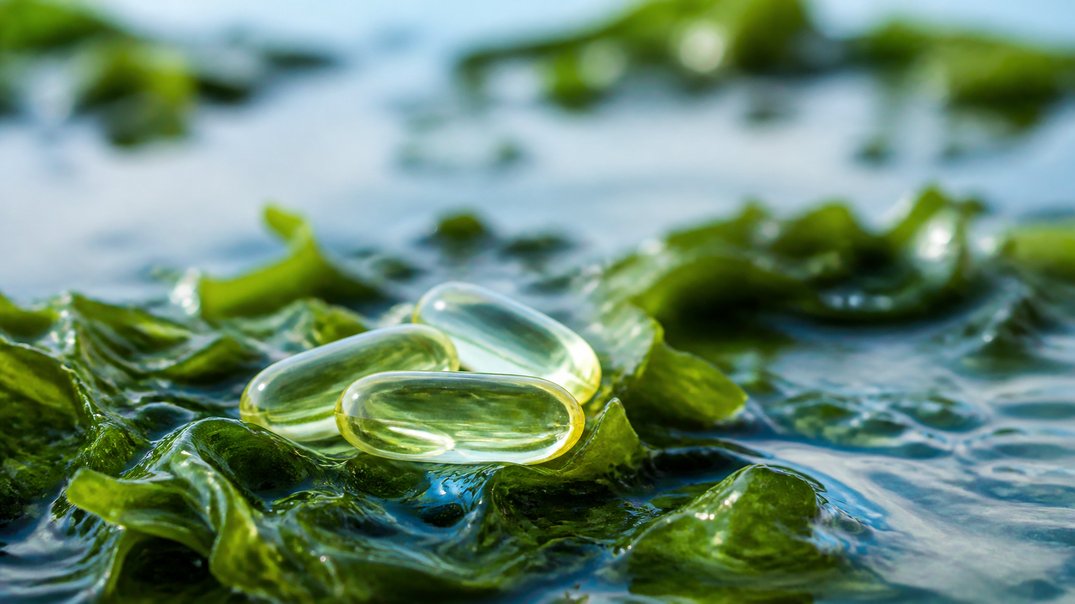
Fish oil and algae oil both end up as DHA and EPA in a softgel, but the path each one takes to get there looks almost nothing alike. Fish oil depends on catching and processing wild fish stocks, while algae oil comes from cultivating algae in a controlled, land-based system. Comparing these two supply chains directly explains a lot about the differences in sustainability, consistency, and contamination risk between the two products.
How Fish Oil Reaches a Bottle
Fish oil production starts with catching wild fish, most commonly small, oily species like anchovy, sardine, and menhaden, which are caught in large volumes specifically for fish meal and fish oil production rather than for direct human consumption. These fish are processed at coastal reduction plants, where the catch is cooked, pressed, and separated into fish meal and crude fish oil before the oil undergoes further refining.
Dependence on Wild Fish Populations
Because this supply chain starts with a wild catch, it is directly tied to the health and management of ocean fish populations. Stock levels for species like anchovy can fluctuate significantly year to year due to factors like ocean temperature cycles, which introduces variability into fish oil supply and pricing that a land-based production system does not experience in the same way.
Multiple Handling Steps Before Extraction
Between being caught and reaching a processing facility, fish typically pass through several handling and transport steps, each of which introduces time and temperature variation that can affect the oil’s condition before extraction even begins. This longer, less controlled path is part of why fish oil requires careful refining to reach an acceptable quality and freshness standard by the time it becomes a finished supplement.
How Algae Oil Reaches a Bottle
Algae oil starts with a specific strain of microalgae, commonly Schizochytrium, grown in a closed cultivation system such as a bioreactor or a covered pond, using a controlled nutrient source rather than open ocean foraging. This entire process happens on land, in a facility built specifically for algae cultivation.
A Controlled, Repeatable Growing Environment
Because the growing environment is controlled rather than dependent on ocean conditions, algae cultivation does not face the same year-to-year population fluctuations that affect wild fish stocks. Temperature, light, and nutrient inputs can be adjusted and standardized, which produces a more predictable and repeatable supply than a wild catch does.
Shorter Path from Cultivation to Extraction
Once algae biomass reaches target growth, oil extraction typically happens on-site or at a nearby facility, without the multi-step transport chain that fish oil production involves. This shorter path reduces the opportunity for the oil to begin oxidizing before processing starts, which connects directly to the shelf life and freshness advantages algae oil tends to have over fish oil.

Sustainability Differences Between the Two Supply Chains
Wild fish stocks used for fish oil, particularly small forage fish like anchovy and menhaden, play a foundational role in ocean food webs, since larger fish, seabirds, and marine mammals depend on them as a food source. Harvesting these species at industrial scale for fish oil and fish meal raises sustainability questions that conservation groups and fisheries management bodies actively monitor and regulate.
Certification Efforts in Fish Oil
Organizations such as the Marine Stewardship Council certify fisheries that meet defined sustainability standards, and some fish oil brands source specifically from MSC-certified fisheries to address these concerns. This certification is a meaningful signal, but it applies to specific fisheries rather than the fish oil industry as a whole, so sourcing still varies significantly between brands.
Algae Cultivation’s Different Resource Footprint
Algae cultivation does not draw on wild ocean populations at all, which removes the forage fish sustainability question entirely from that side of the supply chain. It does, however, require land, energy, and nutrient inputs to operate the cultivation facilities, so it is not resource-free, and the sustainability comparison between the two ultimately depends on how those land-based inputs are sourced and managed by a specific manufacturer.
Contamination Risk Along Each Supply Chain
The two supply chains also differ meaningfully in contamination exposure. Wild fish accumulate heavy metals, such as mercury, and other ocean pollutants over their lifespan by feeding within the marine food web, which is why fish oil requires heavy metal testing as a standard part of quality control.
Algae’s More Contained Exposure
Algae grown in a controlled, closed system is not exposed to the broader ocean environment in the same way, which generally reduces the risk of heavy metal accumulation compared to wild fish. Contamination is still possible through the water source or growth medium used in cultivation, so testing remains relevant, but the exposure pathway is narrower and more controllable than what a wild-caught fish encounters over months or years in the ocean.
What This Means When Comparing Products
Neither supply chain is inherently free of tradeoffs. Fish oil depends on wild population health and a longer handling chain but benefits from decades of established fishery infrastructure. Algae cultivation offers a more controlled, consistent, and land-based alternative but comes with its own resource requirements and a comparatively newer production infrastructure still scaling up. For anyone weighing an algae-based omega-3 supplement against a fish oil product, understanding these two supply chains side by side explains why algae oil is often positioned as the more consistent and lower-contamination option, while fish oil sourcing quality still varies considerably depending on the specific fishery and brand behind a given product.
Frequently Asked Questions
Where Does Fish Oil for Supplements Actually Come From?
Most fish oil comes from small, oily fish like anchovy, sardine, and menhaden, caught specifically for fish meal and fish oil production and processed at coastal reduction plants into crude oil before refining.
Is Algae Oil More Sustainable Than Fish Oil?
Algae cultivation does not depend on wild ocean fish populations, which removes a significant sustainability concern tied to forage fish harvesting, though algae cultivation still requires land, energy, and nutrient inputs that factor into its overall resource footprint.
Does Wild-Caught Fish Oil Carry More Contamination Risk Than Algae Oil?
Generally yes, since wild fish accumulate heavy metals and other pollutants over their lifespan by feeding within the ocean food web, while algae grown in a controlled system has a narrower and more controllable contamination exposure pathway.
What Does MSC Certification Mean for Fish Oil?
Marine Stewardship Council certification indicates that a specific fishery meets defined sustainability standards, and some fish oil brands source from MSC-certified fisheries, though this certification applies fishery by fishery rather than to the fish oil industry as a whole.
Why Does Algae Oil Have a Shorter Supply Chain Than Fish Oil?
Algae cultivation and oil extraction typically happen on-site or at a nearby facility without the multi-step catching, transport, and reduction process that fish oil requires, which reduces handling time and the opportunity for oxidation before processing begins.


