
Why Do Omega-3 Recommendations Vary So Much Between Countries?
Short answer: If you’ve noticed that one country’s omega-3 guidance says one thing and another’s says something quite different, you’re not imagining it. A comprehensive […]
Short answer: If you’ve noticed that one country’s omega-3 guidance says one thing and another’s says something quite different, you’re not imagining it. A comprehensive […]

Short answer: Yes, and it fills a fairly specific gap. Vegans and vegetarians can’t get meaningful EPA or DHA from fish, obviously, and research has […]

Short answer: True, clinically confirmed omega-3 deficiency is uncommon in people eating a normal varied diet; it’s mostly been documented in patients receiving fat-free intravenous […]

Short answer: As a factual, historical matter, yes, quite clearly. Detailed food-supply data confirms that omega-6 intake, primarily in the form of linoleic acid from […]

Short answer: Yes, and this isn’t just a general “take supplements with food” habit; it’s backed by a specific, well-designed clinical trial showing a real, […]

Short answer: There’s no single, universally agreed-upon number. In the United States, the only omega-3 with an official daily target is ALA, the plant-based form; […]

Short answer: Broadly, yes. Clinical research directly comparing the two has found that algal oil raises blood levels of DHA and EPA at rates comparable […]

Pregnancy and breastfeeding place a sustained demand on a mother’s omega-3 stores that does not simply end the moment a baby is born. DHA in […]
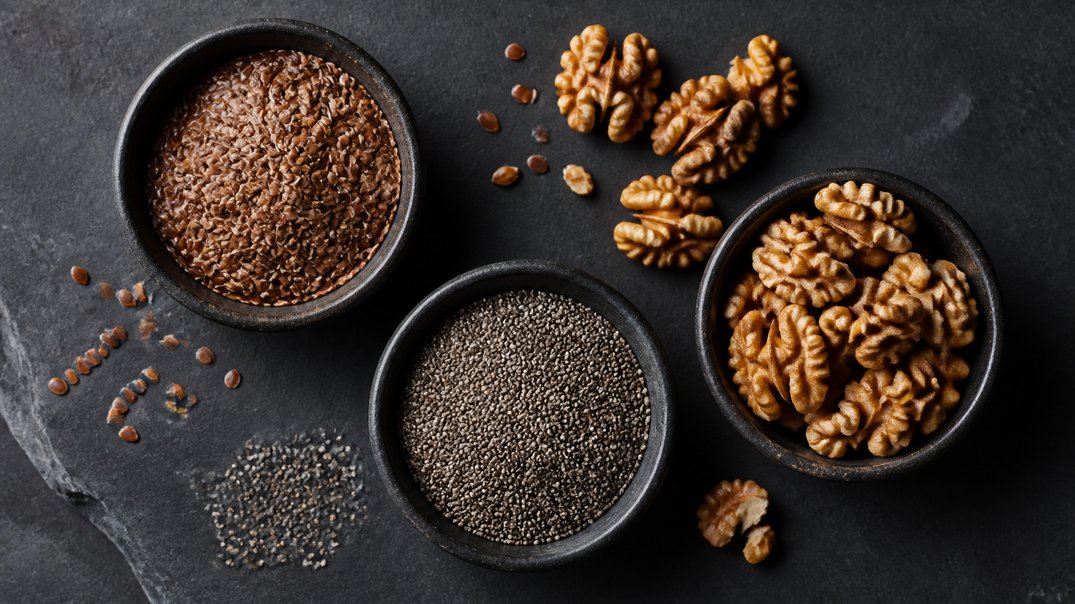
Short answer: It depends heavily on which omega-3 you mean. Most people in the U.S. comfortably meet the recommended intake for ALA, the plant-based omega-3, […]

p>Short answer: Omega-3 fatty acids are called “essential” in the strict nutritional sense of the word: your body cannot manufacture them from other raw materials, […]