
Why Do Some Vegans Have Lower Omega-3 Levels Than Meat-Eaters?
Short answer: It mainly comes down to two compounding factors working against each other. First, a vegan diet contains no direct dietary source of EPA […]
Short answer: It mainly comes down to two compounding factors working against each other. First, a vegan diet contains no direct dietary source of EPA […]
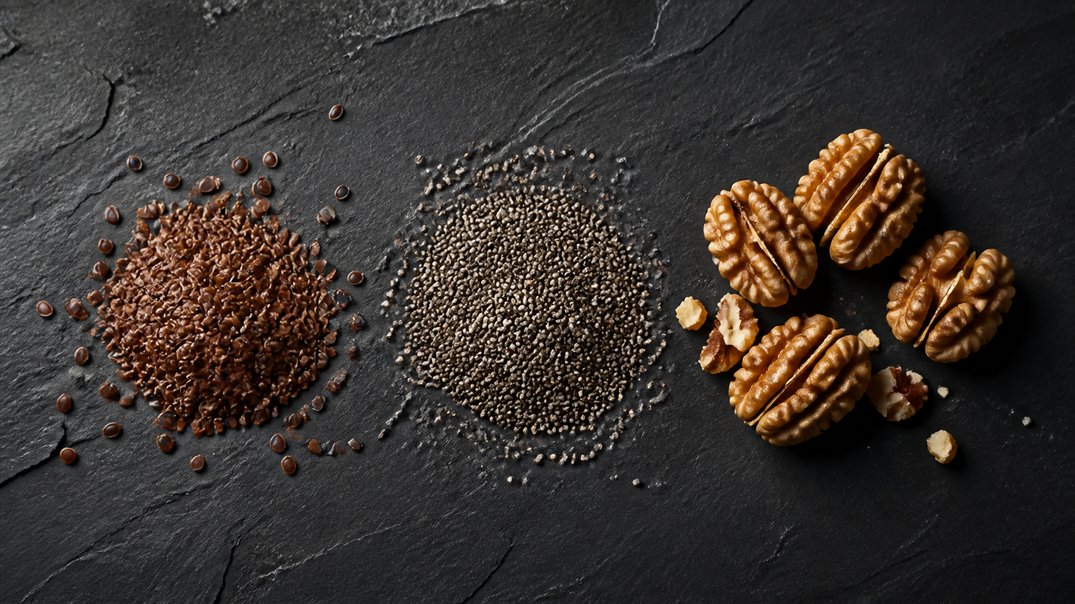
Short answer: Yes and no, depending on which specific omega-3 you’re asking about. Flaxseed and chia seeds genuinely do provide “real” omega-3 in the form […]

Short answer: Yes, but only to a limited degree. The human body has a genuine enzymatic pathway that can convert ALA, the plant-based omega-3 found […]
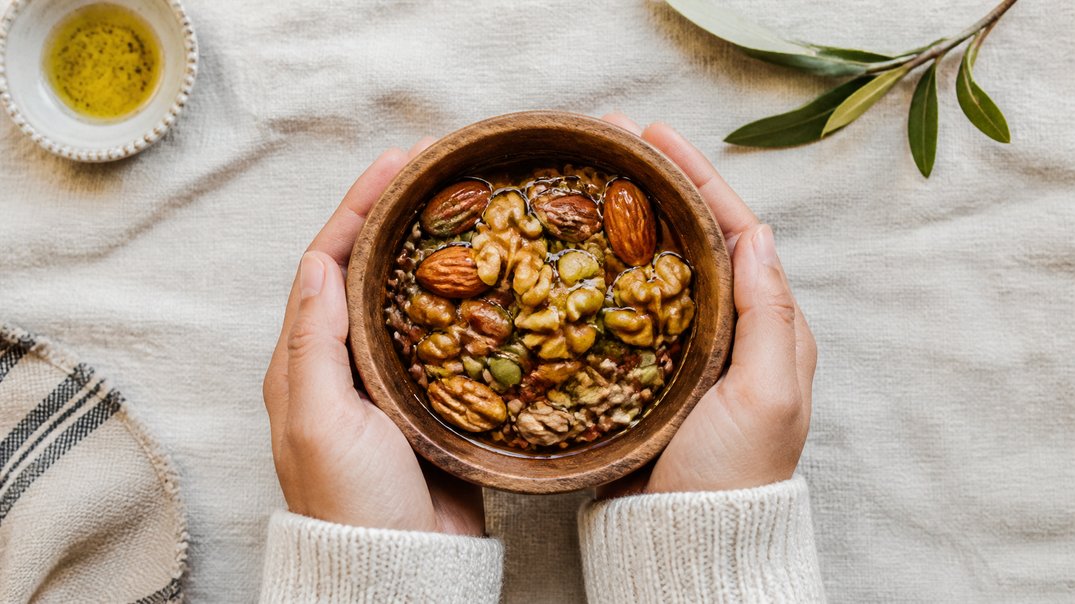
Short answer: The inefficiency comes down to a combination of biochemical bottlenecks. Converting ALA into EPA and DHA requires a multi-step sequence of enzyme reactions, […]

Short answer: Generally, no, algae oil doesn’t trigger the same allergic reactions as fish oil, because the two come from biologically distinct organisms with different […]
Short answer: Yes, there’s a real and useful distinction here, even though the two terms get used interchangeably in everyday conversation. Omega-3 refers to a […]
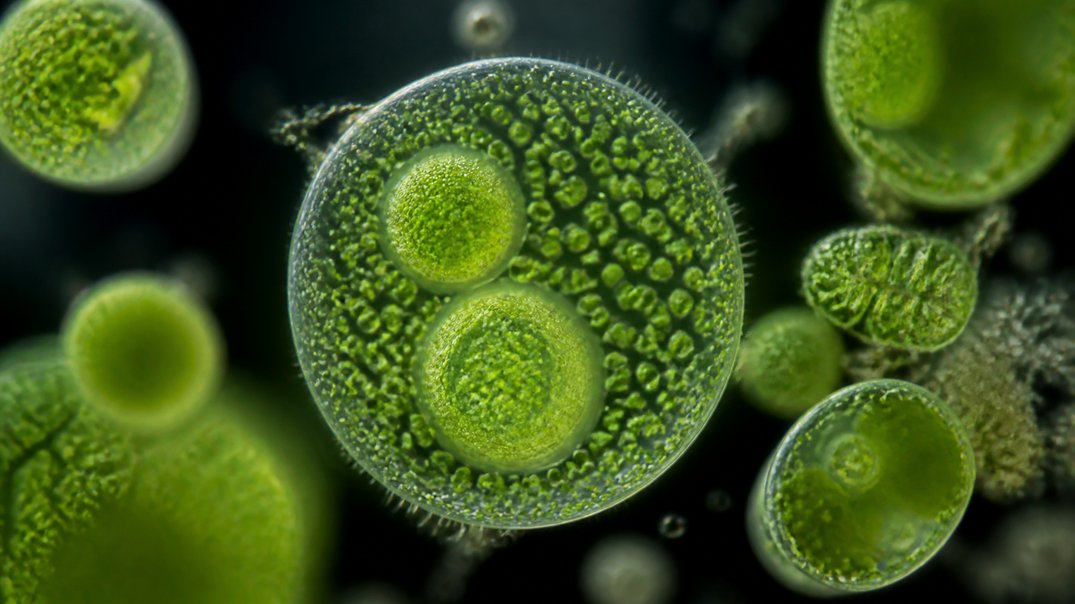
Short answer: Algae oil generally costs more than fish oil primarily because of how each one is produced. Fish oil is largely a co-product of […]
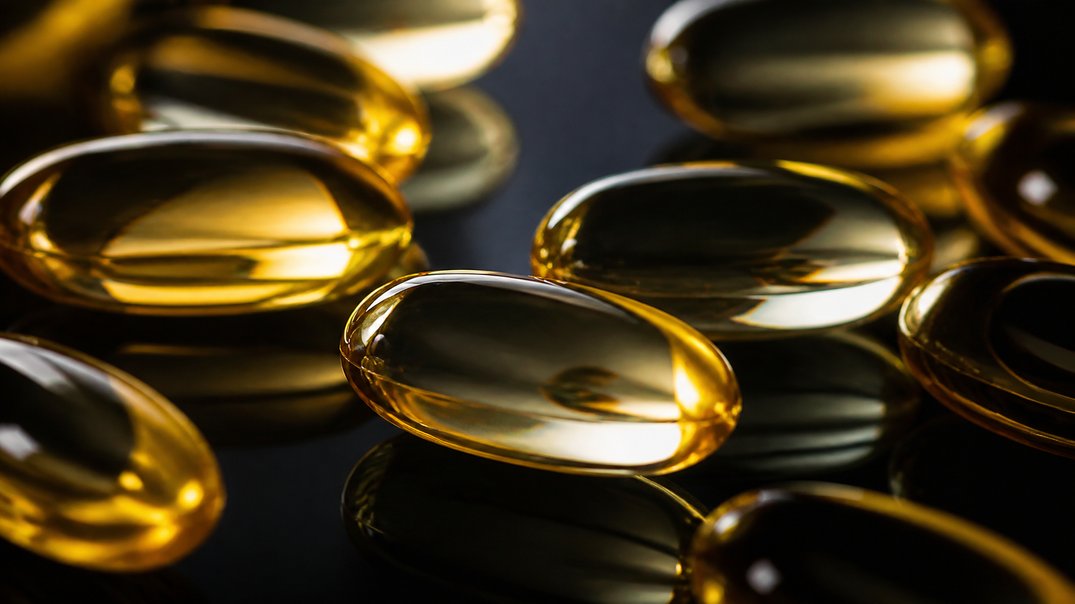
Short answer: Yes. Clinical research directly comparing the two has found that algal oil raises blood levels of DHA and EPA about as effectively as […]
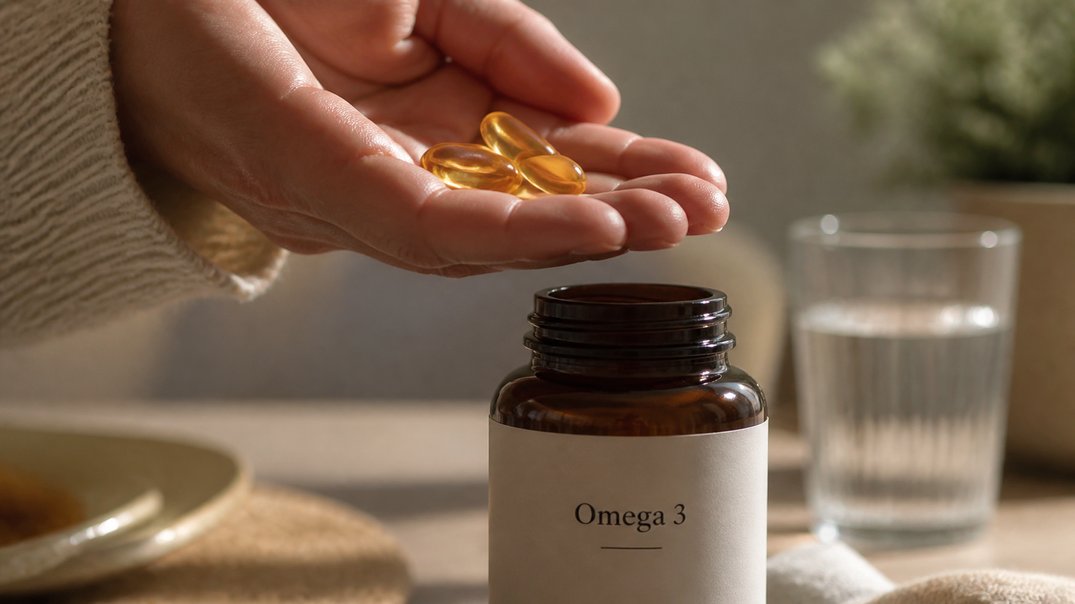
Short answer: Generally, algae-based omega-3 tends to have a much milder taste and smell than fish oil, and it sidesteps one specific source of fishiness […]
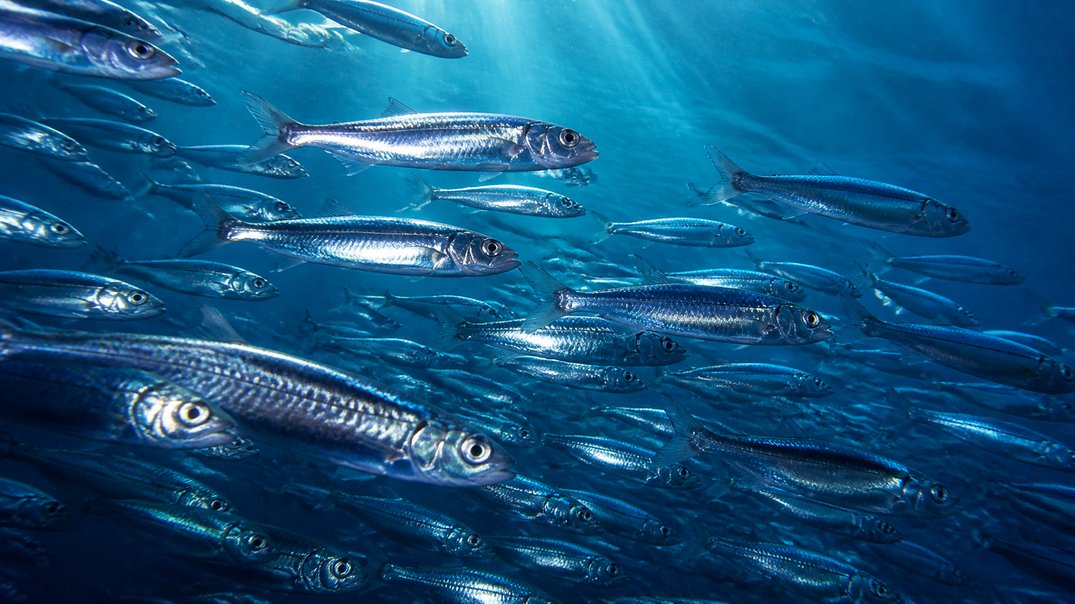
Short answer: Fish don’t actually manufacture omega-3 fatty acids themselves. The EPA and DHA found in salmon, sardines, and other fatty fish originate with microscopic […]