Somewhere between elementary school lunches packed with fruit and vegetables and the independence of the teenage years, diet quality tends to take a nosedive. Fast food, skipped breakfasts, and a general disinterest in anything resembling a vegetable become the norm for a lot of teenagers, right at a time when their bodies, and brains in particular, are going through another major growth phase most parents assume ended in early childhood.
Omega-3 fatty acids, and DHA specifically, turn out to matter a great deal during adolescence, not just infancy. Understanding why can help make the case for prioritizing this nutrient during a life stage when it’s easy to assume the critical developmental window has already closed.
What Makes Adolescence a Unique Nutritional Window
The teenage years involve more biological change than most people give them credit for, and that change has real nutritional implications.
The Brain’s Second Major Growth Spurt
The prefrontal cortex, the brain region responsible for attention, decision-making, and impulse control, continues developing throughout adolescence and doesn’t fully mature until the mid-twenties. DHA accumulates rapidly in this region from birth through the late teen years, with the accrual rate slowing significantly after that, which makes adolescence a genuinely important window for adequate DHA intake, not just an afterthought following infancy.
Why Teen Diets Often Fall Short
Teenagers are also notoriously inconsistent eaters, prioritizing convenience and social eating over nutrient density, which means omega-3-rich foods like fatty fish rarely make regular appearances on the menu. Combined with rapid physical growth and increased academic and social demands on the brain, this creates a nutritional gap at exactly the wrong time.
How Omega-3 Supports the Teenage Brain and Body
Omega-3’s relevance to teenagers goes beyond general “brain food” talk and touches a few specific, researched areas.
Attention, Mood, and Cognitive Performance
Research has found associations between higher DHA levels and better attention performance in adolescents, an area of particular relevance given how much sustained focus school demands. Omega-3 has also been studied in relation to adolescent mood regulation, with lower omega-3 levels showing up more frequently in teens dealing with depressive symptoms.
Physical Growth and Hormonal Changes
Beyond the brain, omega-3s support the anti-inflammatory processes relevant to the rapid physical growth and hormonal shifts of puberty, alongside their well-established role in cardiovascular health, a system that benefits from good habits established early rather than picked up later in adulthood.

What the Research Shows About Omega-3 and Teens
This is an active area of adolescent nutrition research, with some genuinely interesting findings alongside appropriate caveats.
Findings on Attention and Academic Performance
A study of adolescents found that higher dietary DHA intake was associated with better performance on attention-based cognitive tasks, adding to a growing body of evidence connecting omega-3 status to classroom-relevant cognitive function (read the research summary). A broader systematic review examining omega-3’s role in adolescent mental health conditions, including depression and attention difficulties, found consistent associations between lower omega-3 status and higher symptom burden across several studies (view the full review).
Where the Evidence Is Still Developing
Most of this research is observational or based on smaller intervention trials, meaning it establishes a meaningful association rather than definitive proof that omega-3 supplementation alone will improve grades or mood. It’s a genuinely promising area worth taking seriously, not a guaranteed fix.
Practical Guidance for Omega-3 in Teens
Given how demanding the teenage years are, both nutritionally and academically, closing the omega-3 gap is a reasonable, low-effort addition to support that whole picture.
Food Sources Teens Will Actually Eat
Fatty fish remains the gold standard, though realistically, getting a teenager to eat salmon twice a week is an uphill battle. Walnuts, chia seed toppings, and flax-enriched foods offer some ALA, though as with younger children, conversion to usable DHA and EPA is limited.
Considering Algae-Based Omega-3 for Teens
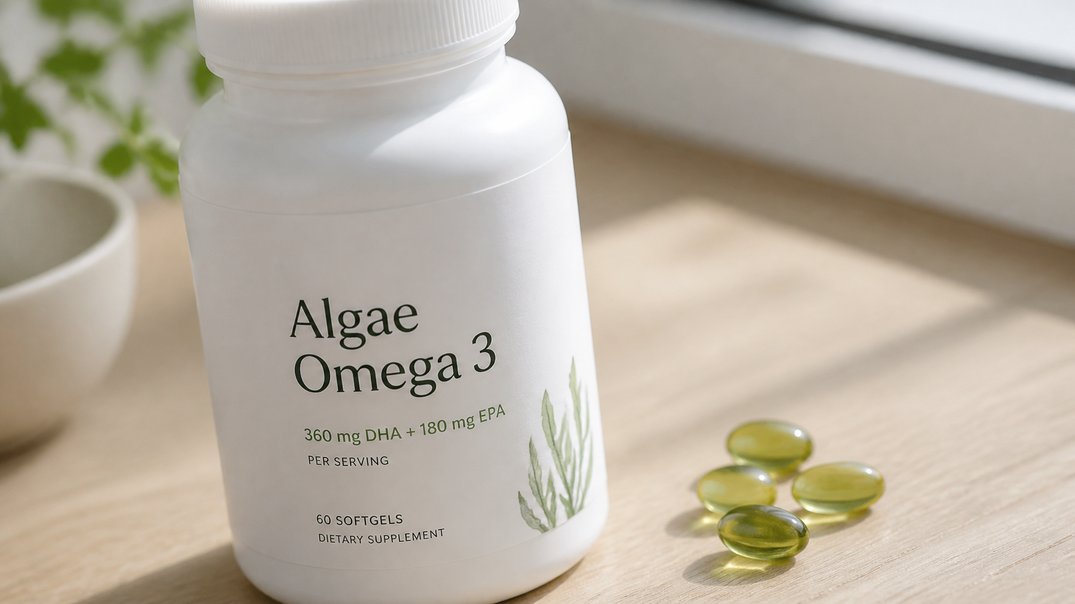
Algae-based omega-3 supplements offer a straightforward way to bridge that gap, providing direct EPA and DHA without asking a teenager to change their entire diet. A simple daily softgel or liquid dose can fit into an already busy schedule far more easily than a meal plan overhaul.
Frequently Asked Questions About Omega-3 for Teenagers
Here are some common questions about omega-3 during the teenage years.
Do teenagers need more omega-3 than younger children?
General intake recommendations scale with body size and age, so teenagers typically need somewhat more than younger children, though the exact optimal amount for cognitive benefit is still being studied.
Can omega-3 help with teen mood or focus issues?
Research has found associations between omega-3 status and both attention and mood in adolescents, though it should be viewed as a supportive factor rather than a standalone treatment for any diagnosed condition.
Is it safe for teens to take the same omega-3 supplement as adults?
Many adult formulations are appropriate for teenagers, though it’s worth checking the dose against age-appropriate guidelines or discussing it with a doctor, especially for teens taking other medications.
Why does DHA matter so much during the teenage years specifically?
DHA accumulates rapidly in the brain’s prefrontal cortex through adolescence, with the rate of accrual slowing considerably afterward, making these years a meaningful window for adequate intake.
Is algae-based omega-3 a good option for teens who don’t like fish?
Yes, algae oil provides the same DHA and EPA found in fish oil without requiring a teen to eat fish, making it a practical option for picky eaters or those following a vegetarian diet.
The teenage years get treated like a nutritional afterthought once the “critical” early childhood window has passed, but the research suggests otherwise. A growing brain doesn’t stop needing good building materials just because it’s attached to a moody, sleep-deprived, fast-food-loving teenager, and omega-3 remains one of the more overlooked pieces of that picture.


